Why Your Toilet Keeps Running
A toilet keeps running through the night for one small reason: a part inside the cistern has worn out. Alderley Plumbing Services handles these repairs across Alderley as part of our tap and toilet work, and every job is done by a licensed plumber.
If we're late, $100 comes off your bill

- Licensed and InsuredEvery job done by a licensed plumber. QBCC No: 15024607
- Fixed Quote FirstFlat-rate pricing, agreed before any work starts
- Lifetime Labour WarrantyBacked by our Fix-It-or-It's-Free guarantee (T&Cs apply)
- $0 Call-Out FeesNo extra charge for nights, weekends or public holidays
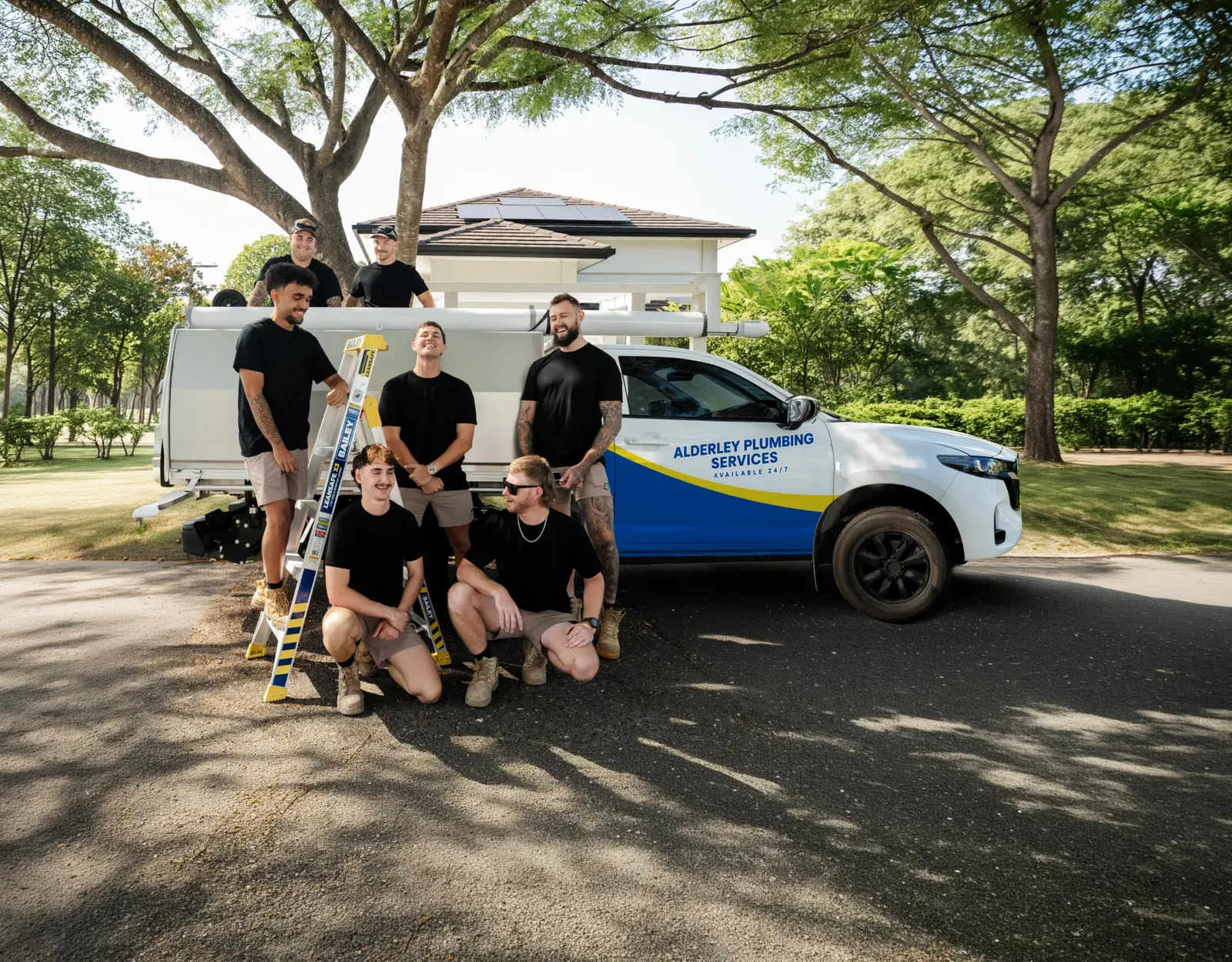
A simple colour check at home narrows the cause before anyone books a visit, and this guide walks you through it.
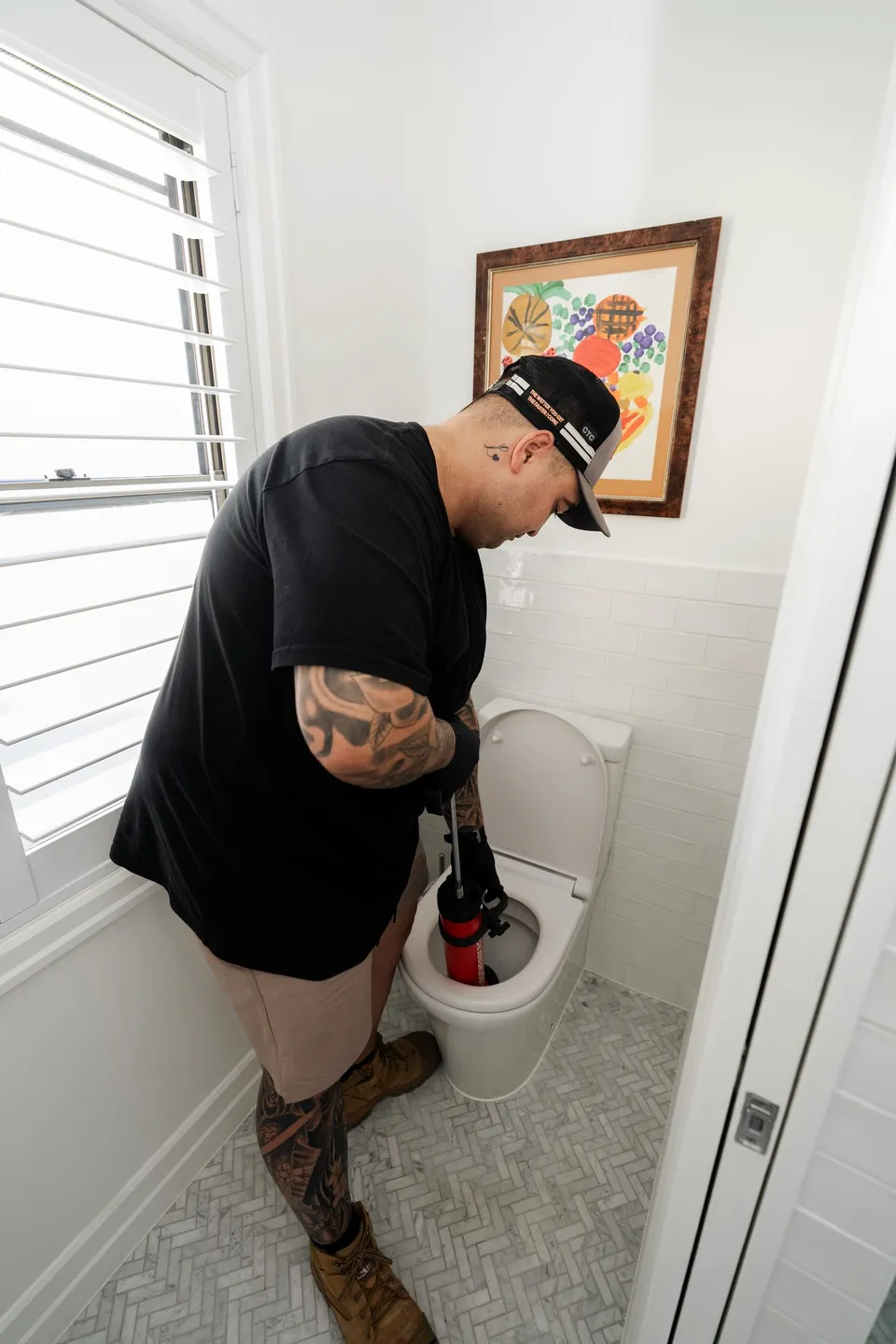
Inlet Valve, Flush Valve Seal and Overflow Explained
When a toilet keeps running, three parts are to blame: an inlet valve that keeps filling, a flush valve seal passing water into the pan, or a water level high enough to reach the overflow. Each fault leaves its own clue.
The inlet valve is the small tap inside the cistern that refills it after each flush, and it should close once the float reaches its set level. The flush valve sits at the base of the cistern, and its rubber seal keeps the water in until the button releases it. The overflow is a safety outlet that funnels surplus water into the pan rather than across your floor.
Watch and listen for the tell-tale signs:
A hiss or trickle continuing past the refill
means the inlet valve never quite closes, so the cistern never stops filling.
A cistern topping up again and again between flushes
, or water creeping down the rear face of the pan, means the seal is passing water into the bowl.
A drip from the overflow pipe outside
means the level has climbed too high, so the inlet valve or the float needs attention.
What Colour in the Bowl Tells You
Run this check: stir a little food colouring through the cistern water, wait without flushing, and watch the bowl. Colour appearing there marks a leak through the outlet seal.
- Lift the lid and add food colouring until the cistern water is clearly tinted.
- Leave the toilet alone, with no flush while you wait.
- After a stretch, check whether any colour has crept into the bowl.
- Flush afterwards to clear the colouring.
Ceramic bowls take no stain from the colouring once the toilet is flushed. If the bowl water stays clear, the outlet seal is holding, so the inlet valve plus the fill height are the next things to check.
No food colouring in the house? Rest a square of dry paper high inside the pan, clear of the water. It should stay dry unless a trickle is running down behind it.

When the Cistern Will Not Fill
Three faults leave a cistern low or empty: an inlet valve worn away or clogged, a float riding low, or a stop tap somebody left part-turned. Check that the stop tap on the supply line is fully open first.
A slow fill usually means the inlet valve, not the supply. And when water runs but the level never rises, the outlet seal is letting water escape as fast as the inlet refills.
Which Cistern Parts a Home Owner May Replace
The QBCC allows a householder to repair or replace three cistern parts without a licence:
- the float valve washer
- the suction cup rubber
- the drop valve washer
The regulator treats these as unregulated work, which a person who knows how and works to that skill level may do, and the finished job still has to meet the standards. Every other toilet repair in Queensland is minor plumbing work reserved for a licensed tradesman, with no permit needed and no Form 4 to lodge. Under Queensland's tenancy law, the owner or manager looks after repairs on a rental, and the tenant reports problems early.

Who Pays for Water a Cistern Wastes
No, the concealed leak adjustment from Urban Utilities does not come into play here. The scheme leaves out cisterns, taps, hot water systems and other water appliances, and the property owner carries primary responsibility for leaks on the property and the water they waste.
That matters for the unit blocks and townhouse rows around the station and Wakefield Street. At the last census, 28.4 per cent of dwellings in the postcode were flats or apartments, so plenty of households share walls, meters and water accounts.
When to Call a Plumber
Ring us when the bowl shows colour, when the cistern will not fill, or when the overflow keeps dripping outside. A cistern fault left for weeks turns into a bigger water bill and, sometimes, a wet floor. For seals leaking at the base, sewer smells or a weak flush, our toilet repair page covers what a visit involves.
Toilet Questions From Alderley Homes
Call (07) 3523 6417Can I legally fix a running toilet in Alderley?
Yes, for three parts only. The QBCC treats a float valve washer, a drop valve washer and a suction cup rubber as unregulated work an Alderley householder may do, and the work must still meet the standards. Anything beyond those parts needs a licensed plumber.
Which parts of my toilet cistern can I replace myself?
The QBCC names three: a float valve washer, a drop valve washer and a suction cup rubber. A householder with the needed knowledge and skill may swap them, and the finished work still needs to meet the standards.
What does the overflow in my cistern actually do?
The overflow drains any excess cistern water down into the pan instead of onto your Alderley floor. If the inlet valve will not shut off or the float sits too high, the level rises until water runs out through it.
Who is responsible for a running cistern in a rental?
Queensland tenancy law puts the repair duty on the owner or manager, and the tenant reports faults promptly. A running cistern is not on the Act's emergency list, so it counts as routine and happens within a reasonable time; a blocked or broken toilet is the emergency.

Ring Alderley Plumbing Services About the CisternWe'll call you back.
Ring (07) 3523 6417 and tell us what's wrong. You get $0 call-out fees, a fixed quote before any work starts and same-day where we can, 7 days a week.
To claim your $0 call-out fee, call (07) 3523 6417 today.